
Growing older brings many changes to the body, and oral health is no exception. Healthy teeth and gums are essential for eating comfortably, speaking clearly, and maintaining overall well-being. With proper dental care and regular check-ups, seniors can preserve their natural teeth and enjoy a confident smile for years to come.
Why Oral Health Is Important for Seniors
Poor oral health can affect nutrition, speech, and self-confidence. It may also be linked to certain health conditions, including diabetes and heart disease. Taking care of your mouth is an important part of staying healthy as you age.
Common Dental Problems in Older Adults
As we get older, several dental issues become more common, including:
- Tooth decay around existing fillings
- Gum disease
- Dry mouth caused by medications
- Tooth sensitivity
- Tooth loss
- Worn or cracked teeth
- Ill-fitting dentures
- Bad breath
Early diagnosis and treatment can prevent these problems from becoming more serious.
Daily Oral Care Tips
Brush Twice a Day
Use a soft-bristled toothbrush and fluoride toothpaste. Brush gently for at least two minutes, paying attention to the gum line and all tooth surfaces.
Clean Between Your Teeth
Floss or use interdental brushes daily to remove plaque and food particles from areas your toothbrush cannot reach.
Stay Hydrated
Dry mouth is common among seniors, especially those taking multiple medications. Drink plenty of water and consult your dentist if dry mouth persists.
Eat a Balanced Diet
Choose foods rich in calcium, vitamin D, and protein to help maintain strong teeth and healthy gums. Limit sugary snacks and beverages that can increase the risk of tooth decay.
Caring for Dentures
If you wear dentures:
- Clean them every day using a denture cleanser.
- Remove them while sleeping unless advised otherwise by your dentist.
- Store them in clean water or a denture solution overnight.
- Visit your dentist if your dentures become loose or uncomfortable.
Don’t Ignore Warning Signs
Schedule a dental appointment if you notice:
- Bleeding or swollen gums
- Persistent bad breath
- Loose teeth
- Mouth sores that don’t heal
- Difficulty chewing
- Tooth pain or sensitivity
- Loose or uncomfortable dentures
Prompt treatment can help prevent more serious complications.
Regular Dental Check-ups Matter
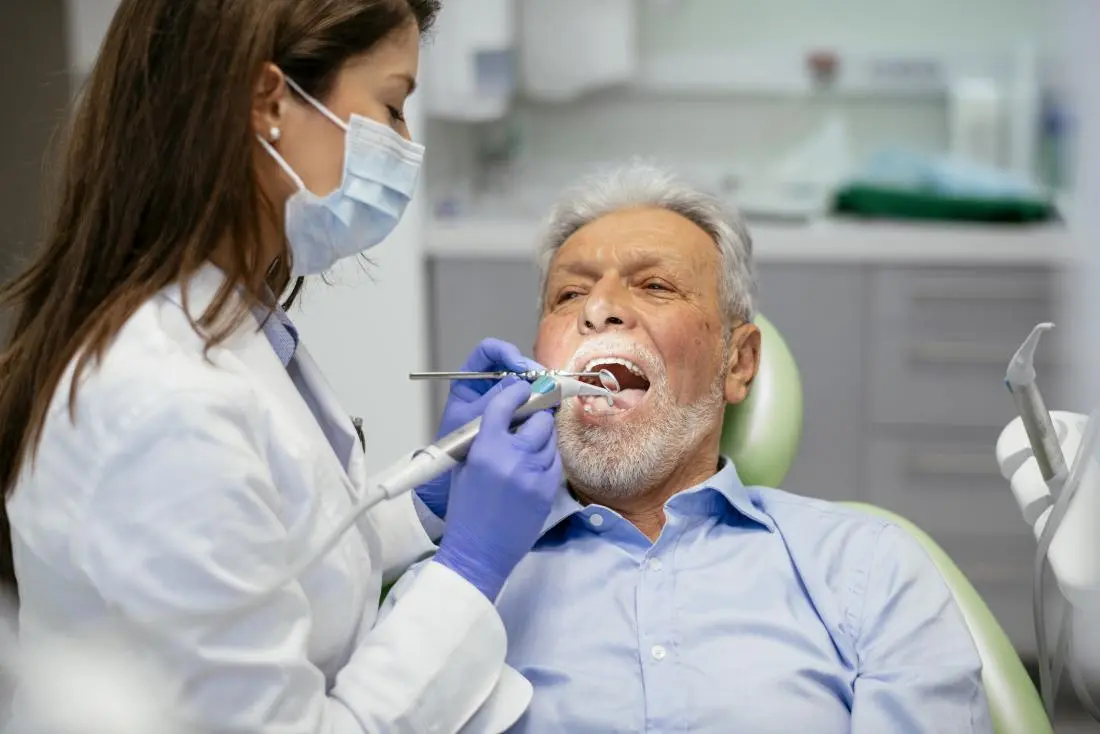
Even if you have no pain or wear complete dentures, visiting your dentist every six months is important. Regular examinations help detect cavities, gum disease, oral infections, and oral cancer in their early stages, when treatment is most effective.
A Healthy Smile at Every Age
Age should never be a barrier to a healthy smile. With good daily oral hygiene, a nutritious diet, and regular dental visits, seniors can maintain strong teeth, healthy gums, and a better quality of life. Investing in oral health today helps ensure comfort, confidence, and overall wellness for the years ahead.