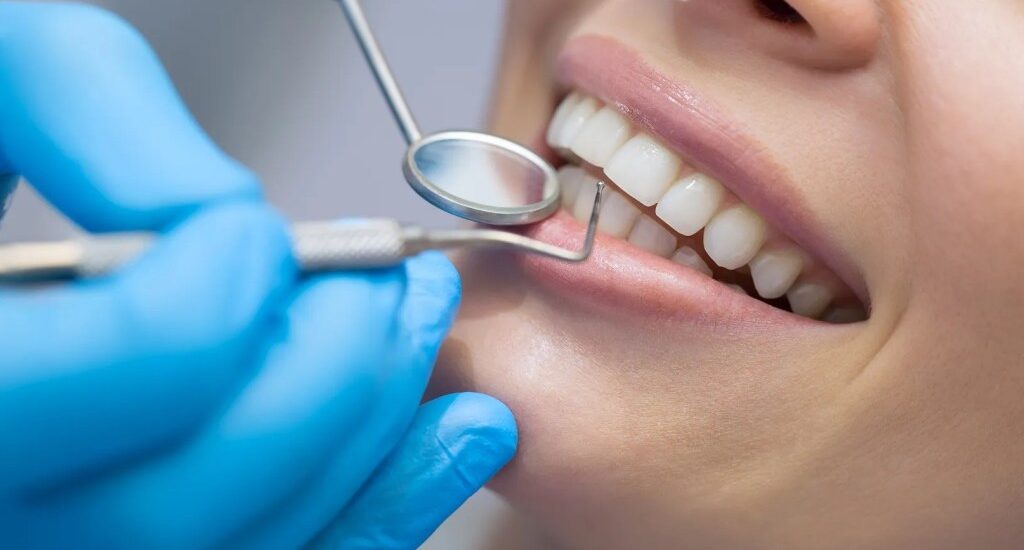
Middle age is often the busiest phase of life. Between work, family, and daily responsibilities, dental care can easily be overlooked. However, this is also the time when many oral health issues begin to appear. Taking care of your teeth and gums now can help you avoid complex and expensive treatments later.
Why Oral Health Matters in Middle Age
As we age, our teeth experience years of wear and tear. Lifestyle habits, stress, diet, and certain medical conditions can increase the risk of dental problems. Maintaining good oral hygiene not only protects your smile but also supports your overall health.
Common Dental Problems in Adults
People in their 30s, 40s, and 50s may experience:
- Gum disease (gingivitis and periodontitis)
- Tooth sensitivity
- Cavities and worn fillings
- Teeth grinding (bruxism)
- Bad breath
- Tooth discoloration
- Cracked or worn teeth
- Missing teeth due to decay or gum disease
Early treatment can prevent these issues from becoming more serious.
Daily Habits for a Healthy Smile
Brush and Floss Every Day
Brush twice daily with fluoride toothpaste and floss once a day to remove plaque from areas your toothbrush cannot reach.
Eat Smart
Choose foods rich in calcium, vitamins, and fiber. Reduce sugary snacks, soft drinks, and processed foods that contribute to tooth decay.
Stay Hydrated
Drinking plenty of water helps wash away food particles, reduces dry mouth, and supports healthy saliva production.
Quit Tobacco
Smoking and chewing tobacco significantly increase the risk of gum disease, tooth loss, bad breath, and oral cancer.
Manage Stress
Stress can lead to teeth grinding or jaw clenching, causing tooth wear and jaw pain. If you experience these symptoms, consult your dentist about treatment options.
Don’t Ignore These Warning Signs
Visit your dentist if you notice:
- Bleeding while brushing
- Persistent bad breath
- Loose teeth
- Tooth pain or sensitivity
- Swollen or receding gums
- Difficulty chewing
- Broken fillings or chipped teeth
Prompt treatment can prevent more extensive dental procedures.
Regular Dental Check-ups Save Time and Money
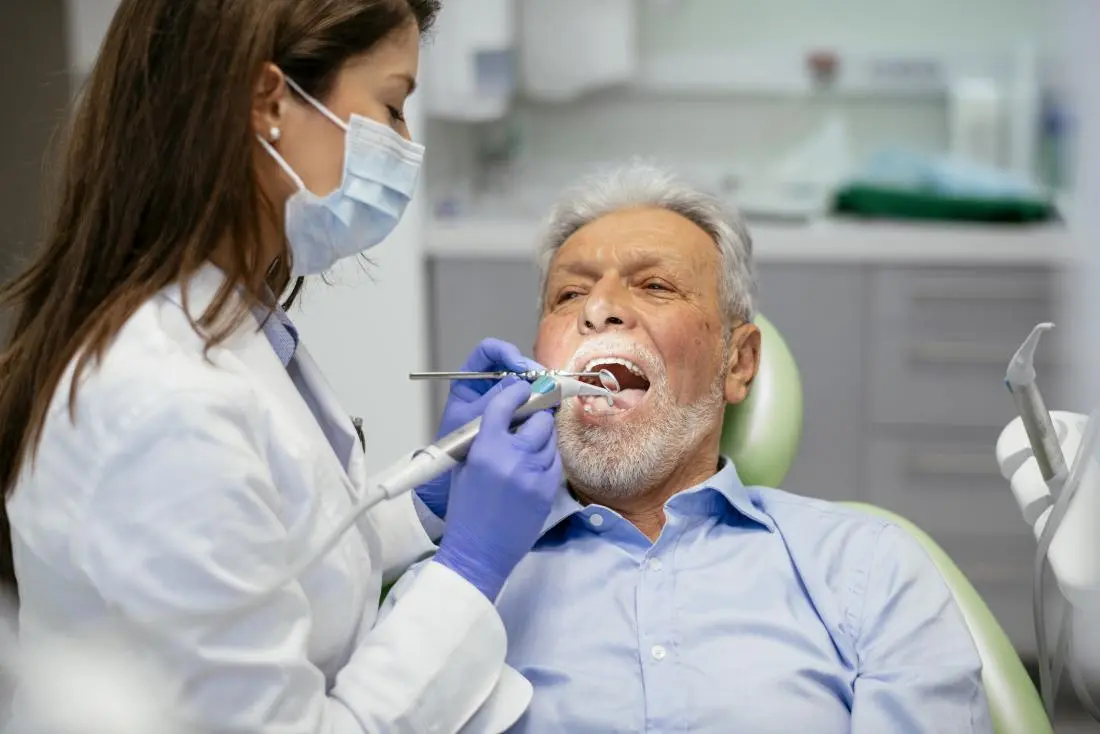
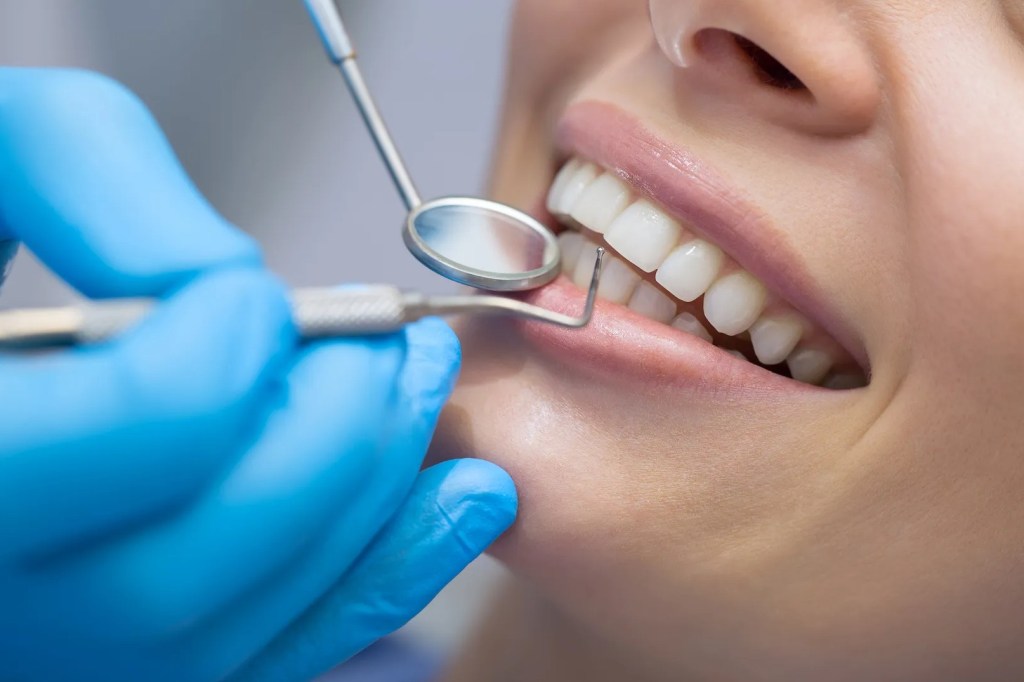
Professional dental examinations and cleanings every six months help detect cavities, gum disease, and other oral health problems before they become severe. Preventive care is often simpler, less expensive, and more effective than treating advanced dental conditions.
Invest in Your Smile Today
A healthy smile is an investment in your confidence, health, and quality of life. By maintaining good oral hygiene, eating a balanced diet, avoiding harmful habits, and visiting your dentist regularly, you can keep your teeth strong and your smile bright throughout middle age and beyond.
Your smile works hard every day—give it the care it deserves. Regular dental check-ups today can help you enjoy a lifetime of healthy, confident smiles.